Takeout and food delivery have become an important part of the restaurant industry. Customers want convenient meals that arrive fresh, properly packed, and ready to enjoy. However, the growing demand for takeaway food has also increased the amount of single-use packaging restaurants throw away every day. Traditional plastic and foam containers may be inexpensive, but their environmental impact has encouraged food businesses to explore better alternatives.
This is where sustainable to-go containers are making a difference. Made from materials such as sugarcane fiber and other plant-based resources, these packaging solutions help businesses reduce their dependence on conventional plastics. They also offer practical benefits, including good food presentation, reliable performance, and different sizes for various menu items.
For restaurants, cafes, catering companies, and food delivery businesses, choosing the right packaging is no longer just about appearance. It is about finding a balance between food safety, customer satisfaction, operating costs, and environmental responsibility.
Why Are Sustainable To-Go Containers Important?
Food packaging plays an important role in protecting meals during storage, takeaway, and delivery. Unfortunately, conventional disposable packaging can contribute to long-term waste, particularly when it is difficult to recycle or improperly discarded.
Switching to eco friendly takeout containers gives businesses an opportunity to make more responsible packaging decisions. It can also help restaurants respond to customers who consider environmental practices when choosing where to eat.
Here are some important reasons to consider sustainable packaging:
- Reduced dependence on plastic: Plant-fiber alternatives provide another option for businesses looking to move away from traditional plastic and foam packaging.
- Better brand perception: Responsible packaging choices can communicate that a business takes environmental concerns seriously.
- Practical food protection: Well-designed containers help maintain food quality and reduce spills during transportation.
- More packaging choices: Different shapes, sizes, and compartment designs make it easier to pack different meals.
However, sustainability should not be judged by appearance alone. Businesses must also consider how packaging is manufactured, transported, used, and disposed of.
Understanding Bagasse Containers and Sugarcane Packaging
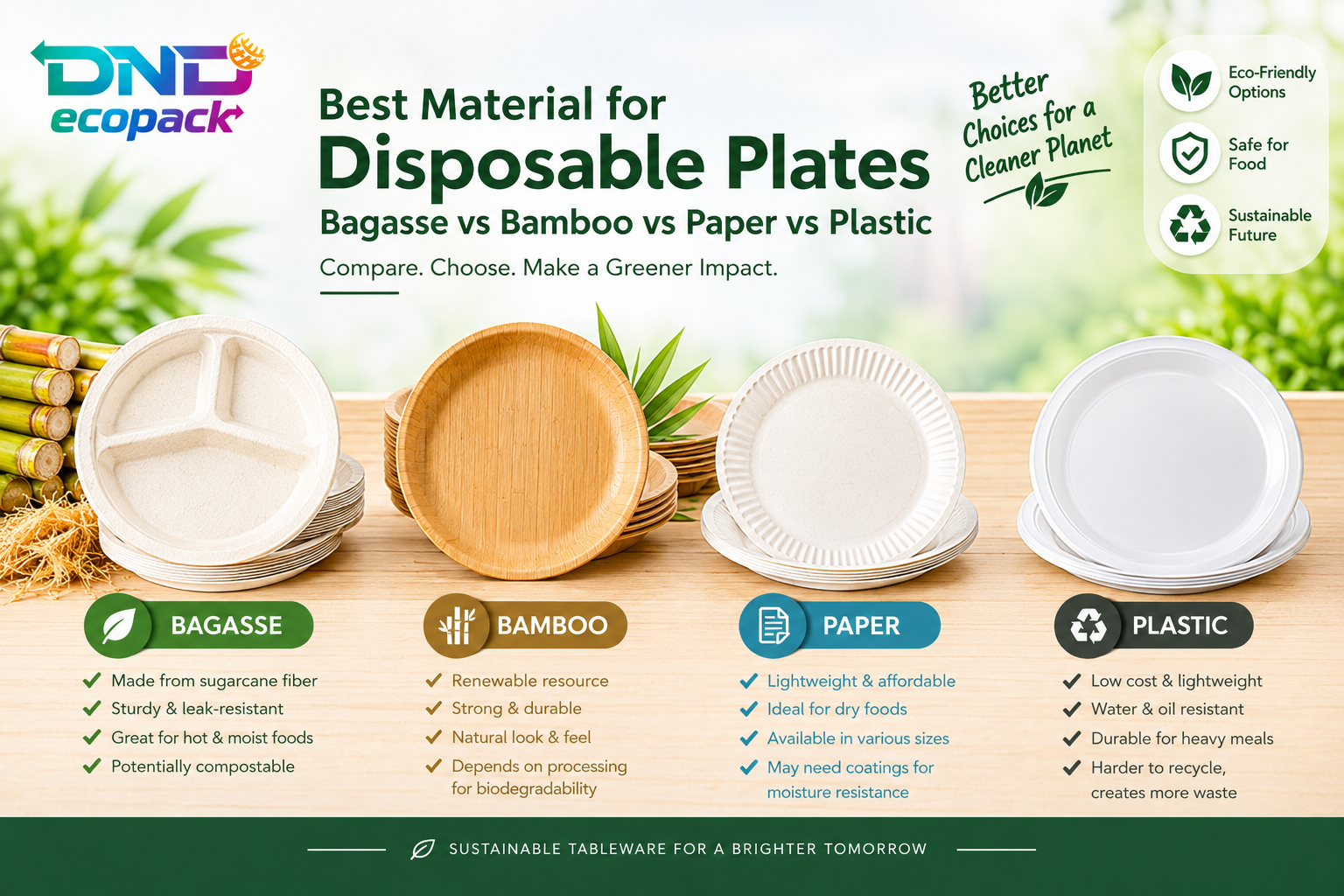
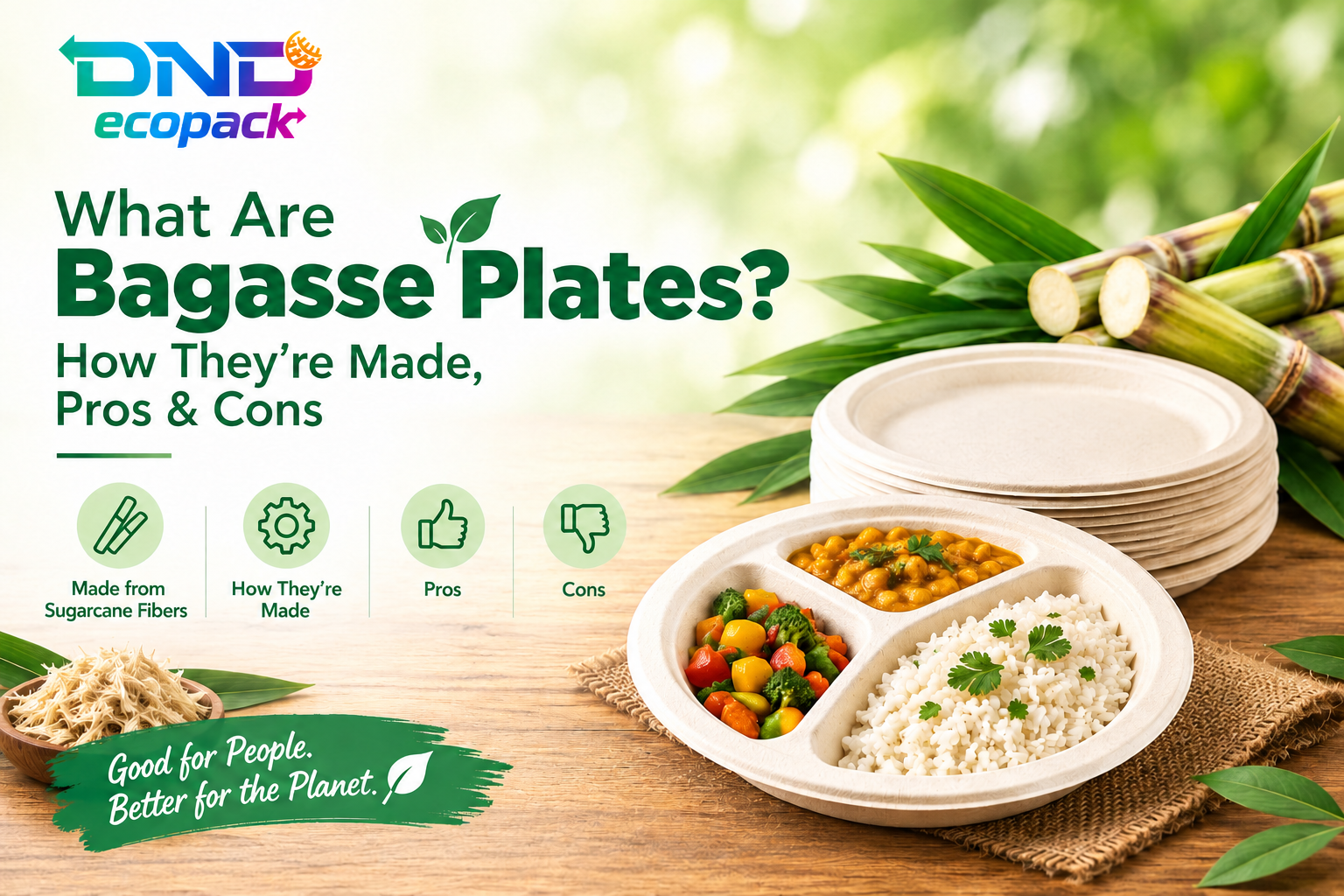
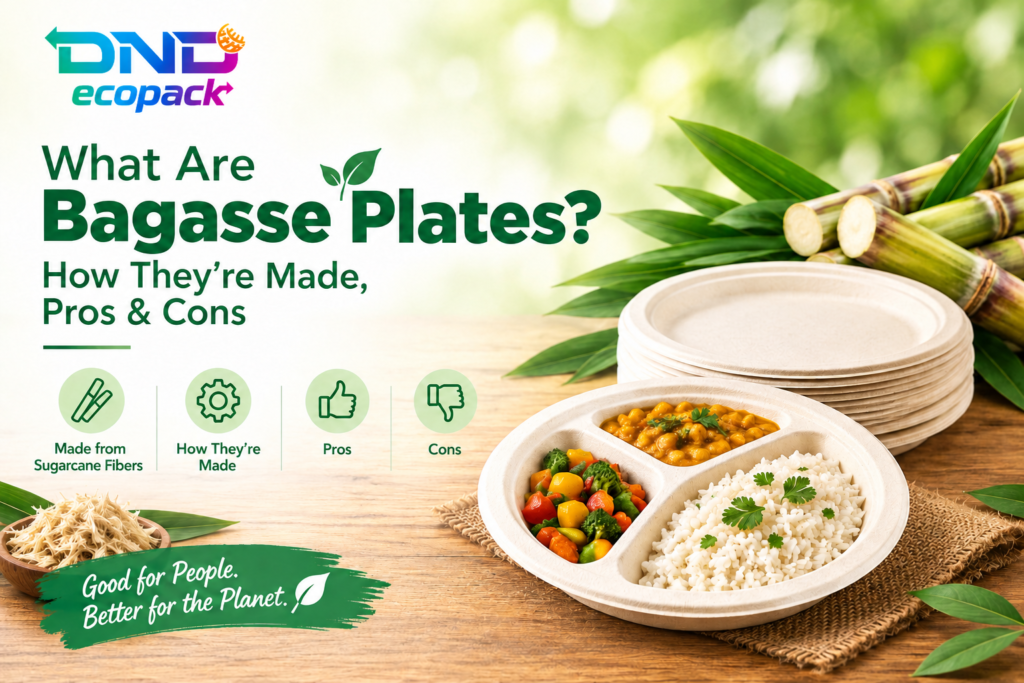
One of the increasingly popular materials in sustainable food packaging is bagasse. It is the fibrous material left after juice is extracted from sugarcane. Instead of treating this agricultural by-product as waste, manufacturers can process it into molded-fiber packaging.
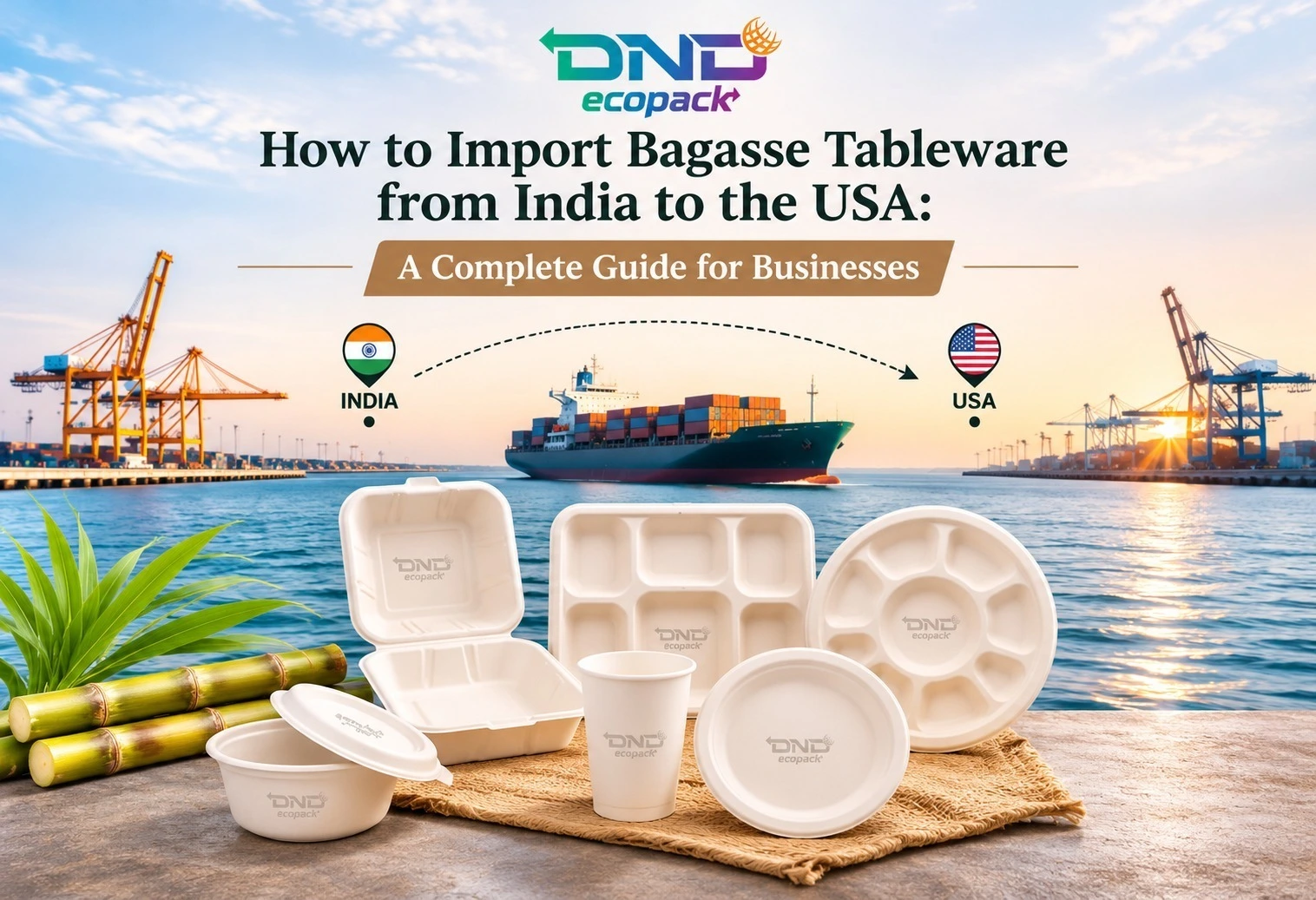
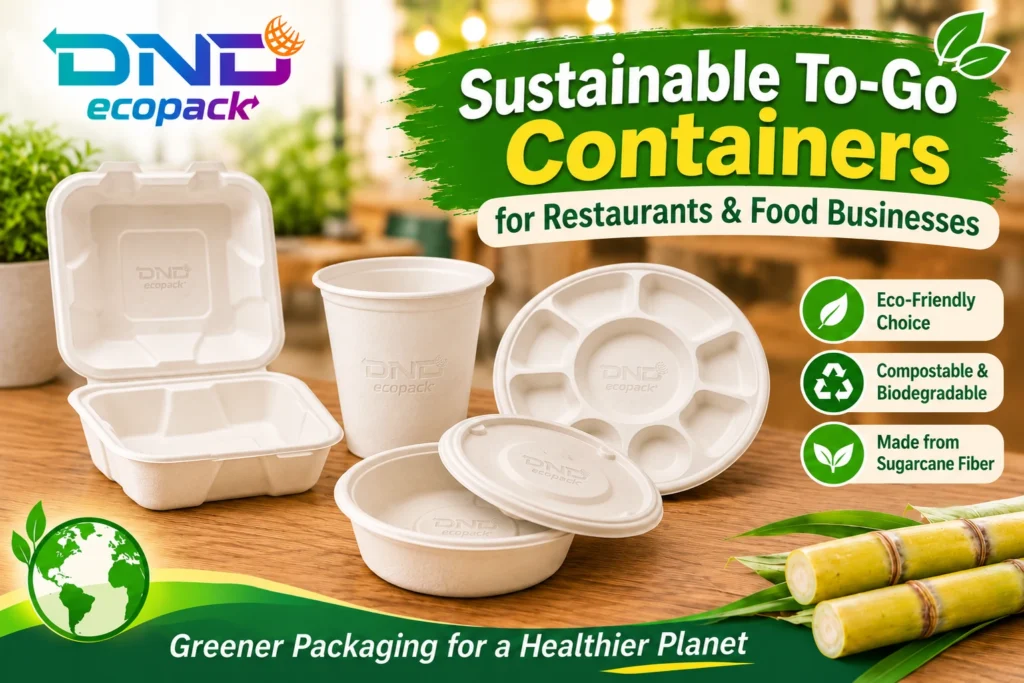
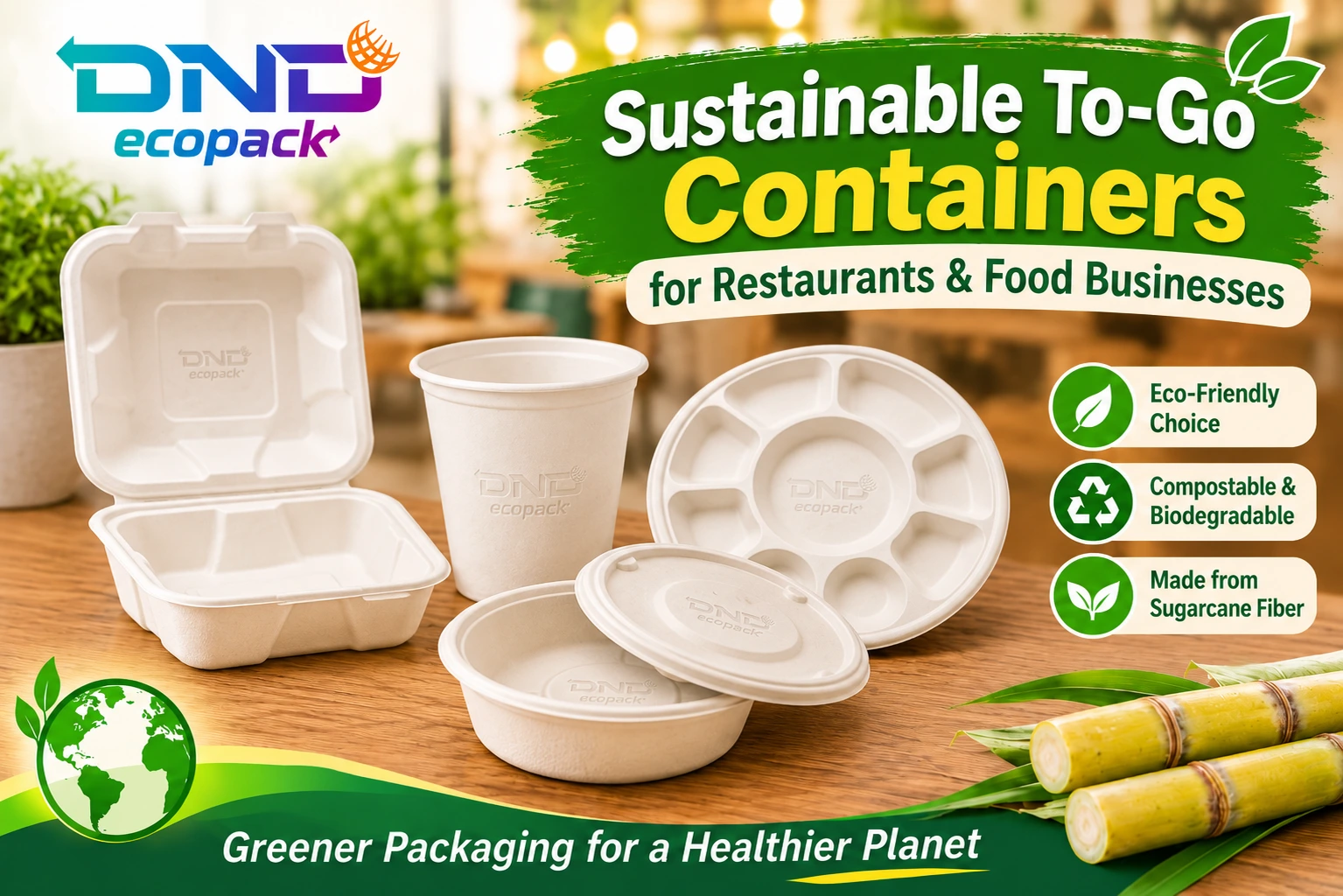
Bagasse containers are designed for everyday foodservice applications. They are available in different formats, including meal trays, bowls, clamshell boxes, and food containers.
What Makes Sugarcane Containers a Useful Choice?
Sugarcane containers offer several advantages for restaurants and food businesses:
- Made from a renewable resource
Sugarcane is an agricultural crop, and bagasse is generated during sugar production. Using this leftover fiber creates another purpose for an existing resource.
- Suitable for different food items
Depending on their design and specifications, bagasse containers can be used for rice, vegetables, snacks, takeaway meals, and other food items.
- Convenient for food delivery
Rigid molded-fiber designs help keep meals organized during transportation. Compartment containers are particularly useful when a meal includes several dishes that should remain separate.
- A plant-fiber alternative to foam
For businesses looking to reduce conventional foam packaging, bagasse provides a practical alternative worth evaluating.
It is important to remember that not every bagasse product has identical performance or compostability. Thickness, manufacturing quality, coatings, and certification all matter.
Different Types of Compostable To-Go Food Containers
Restaurants have different packaging requirements depending on their menus, portion sizes, and delivery operations. Choosing the correct container can prevent unnecessary packaging costs while improving the customer experience.
Here are some commonly used options:
1. Bagasse Meal Trays
Meal trays are suitable for complete meals containing rice, vegetables, bread, and side dishes. Multiple compartments help separate food items and maintain a neat presentation.
2. Bagasse Bowls
Round bowls are useful for salads, rice dishes, noodles, snacks, and other meal portions. Businesses can choose bowls with lids for takeaway orders or without lids for suitable dine-in and foodservice applications.
3. Bagasse Clamshell Containers
Clamshell packaging features an attached closing lid, making it convenient for burgers, sandwiches, snacks, and combination meals. Its compact design also helps simplify packing and handling.
4. Rectangular Food Containers
These containers are useful for curries, pasta, rice dishes, and prepared meals. Businesses should check the product’s moisture resistance and lid compatibility before using it for liquid-heavy food.
Choosing compostable to go food containers should involve more than selecting a plant-based material. Businesses should verify whether the complete product, including its lid or lining, meets recognized compostability requirements.
5. Bagasse Round Plates
Disposable plates are an important part of modern food service. Restaurants, catering companies, food stalls and event organisers rely on them to serve meals quickly and manage large numbers of customers. However, as businesses pay more attention to packaging materials, many are exploring alternatives to conventional plastic tableware. Bagasse round plates are one option gaining attention in this space.
Made from sugarcane fibre, these plates offer a practical way to use an agricultural by-product in everyday food-serving applications. Their simple design, convenient handling and plant-based raw material make them worth considering for businesses looking to review their disposable tableware choices.
6. Bagasse Compartment Plates
Serving a complete meal often involves more than one dish. Rice, vegetables, curry, salad and side portions may all need separate spaces on the same plate. For restaurants, catering companies and institutional kitchens, managing these servings efficiently is an important part of daily operations.
Bagasse compartment plates offer a practical solution. Made from sugarcane fibre, these plates feature divided sections that help keep different food items organised. They combine a familiar serving format with a plant-based raw material, making them an option for businesses exploring alternatives to conventional disposable tableware.
7. Bagasse Glass
Disposable glasses are commonly used in restaurants, cafés, catering services, food courts and event venues. They make beverage distribution easier, particularly when businesses need to serve many customers within a limited time.
However, the material used to manufacture disposable glasses is becoming an important purchasing consideration. Businesses are increasingly exploring alternatives to conventional plastic products, and sugarcane-based materials are attracting attention.
Bagasse glass is one such product. Manufactured using sugarcane fibre, it offers another option for businesses interested in plant-fibre-based disposable tableware.
8. Bagasse Sipper Lid
Takeaway beverages have become a regular part of the food-service industry. Customers purchase coffee, tea, juices and other drinks while travelling, working or attending events. For businesses, providing a convenient way to serve these beverages is an important part of the customer experience.
A suitable lid can make a noticeable difference. It helps cover the beverage container and provides a practical drinking arrangement. Bagasse sipper lids bring sugarcane-based material into this packaging category, offering an option for businesses exploring alternatives to conventional disposable plastic lids.
How to Choose Environmentally Friendly Food Containers
Finding suitable packaging requires understanding the food being served and the conditions it will experience during delivery.
Consider these factors before placing a bulk order.
Match the Container to Your Menu
A container suitable for dry snacks may not work well for hot curries or oily meals. Check its resistance to heat, moisture, and grease. For liquid-based dishes, conduct practical leak tests before using the product for regular orders.
Check Strength and Durability
Packaging should remain firm while carrying food. Weak containers can bend, open unexpectedly, or create spills. Test products with actual serving portions rather than relying entirely on product photographs or specifications.
Select the Correct Size
Oversized packaging wastes material and increases storage requirements. Undersized containers can damage food presentation or cause leakage. Select dimensions that match your regular serving portions.
Verify Compostability Claims
Terms such as biodegradable, eco-friendly, and compostable are not interchangeable. Ask suppliers for relevant third-party certifications and product documentation. In the United States, ASTM D6400 and ASTM D6868 are important standards associated with commercial compostability.
Also check whether local waste-management facilities accept the specific packaging. A commercially compostable product may not break down properly in a home compost bin or an ordinary landfill.
Benefits for Restaurants, Cafes, and Food Businesses
Using environmentally friendly food containers can support several aspects of restaurant operations when the products are selected carefully.
- Improved customer experience: Strong, properly sized containers help food reach customers in good condition.
- Consistent food presentation: Neat packaging makes takeaway meals more appealing and organized.
- Brand differentiation: Businesses can communicate their packaging choices through labels, packaging designs, and customer information.
- Flexible foodservice applications: Different container formats support restaurants, cloud kitchens, catering companies, and takeaway outlets.
- Responsible resource use: Plant-fiber packaging can make use of agricultural by-products such as sugarcane bagasse.
Still, businesses should evaluate the complete cost, including product price, storage, transportation, waste collection, and replacement requirements. Sustainable packaging should work financially as well as operationally.
Common Mistakes to Avoid When Buying Sustainable Packaging
Switching packaging materials without proper testing can create unnecessary problems. A few precautions can make the process easier.
First, avoid purchasing large quantities before testing samples. Check how containers perform with hot, cold, oily, and moist foods.
Second, do not assume every compostable container is suitable for home composting. Confirm its certification and disposal requirements.
Third, consider the lid separately. A compostable fiber base paired with a conventional plastic lid does not make the complete packaging system fully compostable.
Finally, compare suppliers based on product consistency, documentation, availability, and delivery schedules rather than price alone.
Conclusion
The demand for responsible food packaging is creating new opportunities for restaurants and food businesses to rethink their takeaway operations. Eco friendly takeout containers, particularly those made from sugarcane bagasse, offer useful alternatives to conventional foam and plastic packaging.
However, selecting the right solution requires attention to food compatibility, durability, cost, certifications, and local disposal facilities. Businesses that evaluate these factors can make informed packaging decisions without compromising food quality or customer convenience.
Ultimately, sustainable packaging is not simply about replacing one disposable container with another. It is about choosing products that serve customers effectively while supporting a more responsible approach to foodservice.
Frequently Asked Questions
1. What are the best sustainable to-go containers for restaurants?
The best sustainable to-go containers for restaurants are sugarcane bagasse food containers. DND ECOPACK offers 16 oz (500ml), 26 oz (750ml), and 32 oz (1000ml) anti-leak rectangular containers with matching lids. They are food-grade, microwave-safe, freezer-safe, and compostable, making them suitable for takeaway meals, curries, and food delivery businesses.
2. Are bagasse containers better than plastic containers?
Bagasse containers are made from sugarcane fiber and provide a plant-based alternative to conventional plastic. They can be a suitable choice for businesses seeking to reduce fossil-based packaging, particularly when certified and properly composted.
3. Are sugarcane containers safe for hot food?
Many sugarcane-fiber containers are designed for hot food applications. However, heat tolerance varies by manufacturer and product design. Always check the supplier’s specifications and test the container with your actual menu items.
4. Can compostable to-go food containers go in regular trash?
They can be placed in regular trash where local rules allow, but this does not mean they will compost. Commercially compostable packaging generally requires suitable industrial composting conditions. Check local disposal guidelines before making compostability claims.
5. What should restaurants check before buying eco-friendly takeout containers in bulk?
Before buying eco-friendly takeout containers in bulk, restaurants should discuss their product requirements, bulk pricing, and shipping or logistics support with the supplier. DND ECOPACK provides global export support for sugarcane bagasse tableware and food-safe packaging solutions. Businesses can contact its international trade team with their company details, location, and specific requirements to receive assistance with bulk orders and export enquiries.